



Quinoa, also known as quinoa, is a pseudocereal native to South America, where it has been cultivated since ancient times. Due to its high nutritional value and delicate, slightly nutty flavor, it is recommended for everyone's diet, and is especially appreciated by vegetarians and children. Available in groats, flour, flakes, and pasta, it can be easily incorporated into the diet. What makes quinoa a superfood?
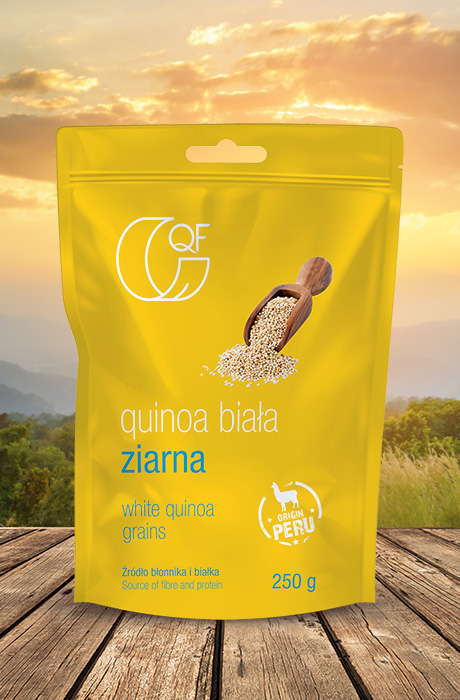
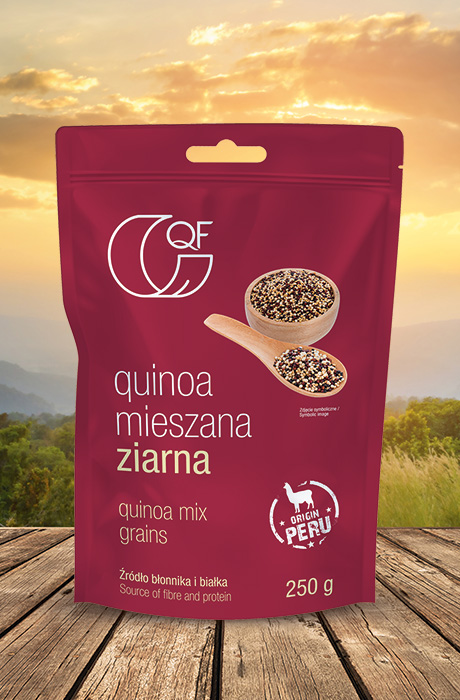
- It has a high content of complete protein – it is a perfect complement to a meatless diet.
- Suitable for diabetics, people with insulin resistance and those who care about their figure – it has a low glycemic index, so it does not cause spikes in blood glucose (sugar) levels, and therefore does not cause drowsiness, cravings for sweets or snacking between meals.
- Does not contain gluten – suitable for people on a gluten-free diet.
- Regulates intestinal function – thanks to its high fiber content, it prevents constipation and nourishes intestinal bacteria that are beneficial to our health.
- It has a high content of minerals valuable for health, such as iron, calcium, magnesium, zinc and potassium
- It slows down cell aging and has anti-cancer properties thanks to its high content of antioxidants that neutralize the harmful effects of free radicals.
- One cup of cooked quinoa contains about 220 kcal and will provide 8 g of protein, over 5 g of dietary fiber, 30% of the daily requirement of magnesium and phosphorus, 15% of the requirement of iron and 3 g of healthy fats.

Aneta Korzeniecka Clinical Dietitian